My Energy Guide
  • About Us
  • How we can help
  • Electrify My Home
    • Solar
    • EVs
    • Home Batteries
    • Hot Water
    • Heating
    • Induction cooking
  • Case Studies
  • Guides
  • Blog
  • About Us
  • How we can help
  • Electrify My Home
    • Solar
    • EVs
    • Home Batteries
    • Hot Water
    • Heating
    • Induction cooking
  • Case Studies
  • Guides
  • Blog

​Blog

EV Batteries

1/2/2024


Battery life

Picture
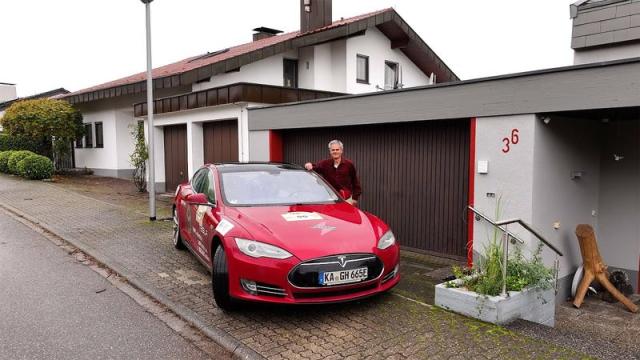
​Hansjörg von Gemmingen-Hornberg, who has travelled 1,900,000 km in his 2013 Tesla
One of the biggest myths surrounding EVs is that their battery packs will need frequent replacement.
This is simply not true. Critics need to look no further than the example of German motorist Hansjorg von Gemmingen, who has driven 1.9 million kilometres in his 2013 Tesla! The battery has been replaced three times giving an average of over 630,000 kilometres per battery (and battery technology has significantly improved since 2013). The average Australian motorist covers 12,000 km per annum, which at this rate would give them a whopping 54 years’ worth of battery life.
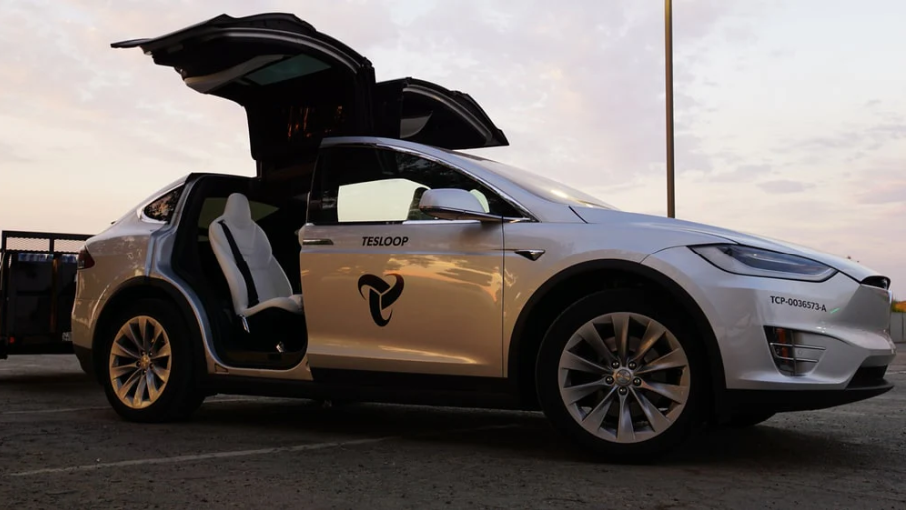
Or the example of California based EV mobility company Tesloop, who have a Model X that has travelled more than
640,000 km with its original battery. And Tesloop uses its fleet commercially, meaning their charging regime and
maintenance is about the worst possible for ensuring battery longevity: a full discharge, followed by a rapid charge rate.
​There are numerous other similar examples.
Picture

Replacement cost

If you are one of the very few people who buy an EV today, and cover the sort of distances that would require a new
battery, then how much would one cost? It all depends on the make and model of your car. It could range from $8,000 (for a 50 kWh pack) up to $18,000 (for a 90 kWh pack). However, as EV volumes increase then this cost should also decrease.

What happens to EV batteries at their end of life?

EV batteries are generally deemed to have reached the end of their useful life for powering a car when they get to 30% degradation (i.e. the battery is operating at 70% of its original capacity). As noted above this could be as long as
54 years based on the average Australian motorist.

While 30% degradation may mean the battery is no longer suitable for an EV there are plenty of other use cases that can get another 10+ years of life from the battery. One such example is the British company, Connected Energy, who take end of life EV batteries, bundle them together, and sell as commercial scale battery energy storage systems.

Once all use cases have been exhausted and the battery has no further use then there are a number of companies who specialise in recycling them. Two such examples are Li-Cycle and Redwood Materials; both of whom claim a recovery rate of up to 95% of the critical minerals contained within the battery.

Comments are closed.

    Author

    Write something about yourself. No need to be fancy, just an overview.

    Archives

    February 2025
    October 2024
    September 2024
    August 2024
    July 2024
    June 2024
    May 2024
    April 2024
    March 2024
    February 2024
    January 2024

    Categories

    All

    RSS Feed


Picture
Your journey to a cost efficient and sustainable future

Quick Links

  • Home​
  • Contact Us
  • Useful links
  • Events

​JOIN OUR MAILING LIST


This website is provided for informational purposes only.  It does not constitute advice as to whether you should proceed with installing solar, batteries or other electric items.  You should perform your own due diligence prior to committing to the installation of any new equipment, and seek the opinions of appropriately qualified experts.  The data presented on this website is based on a number of assumptions. If different assumptions were used then the data presented and conclusions reached may differ materially. 
​© My Energy Guide | Privacy policy |  Website terms of use