My Energy Guide
  • About Us
  • How we can help
  • Electrify My Home
    • Solar
    • EVs
    • Home Batteries
    • Hot Water
    • Heating
    • Induction cooking
  • Case Studies
  • Guides
  • Blog
  • About Us
  • How we can help
  • Electrify My Home
    • Solar
    • EVs
    • Home Batteries
    • Hot Water
    • Heating
    • Induction cooking
  • Case Studies
  • Guides
  • Blog

​Blog

How to Charge

25/1/2024

 
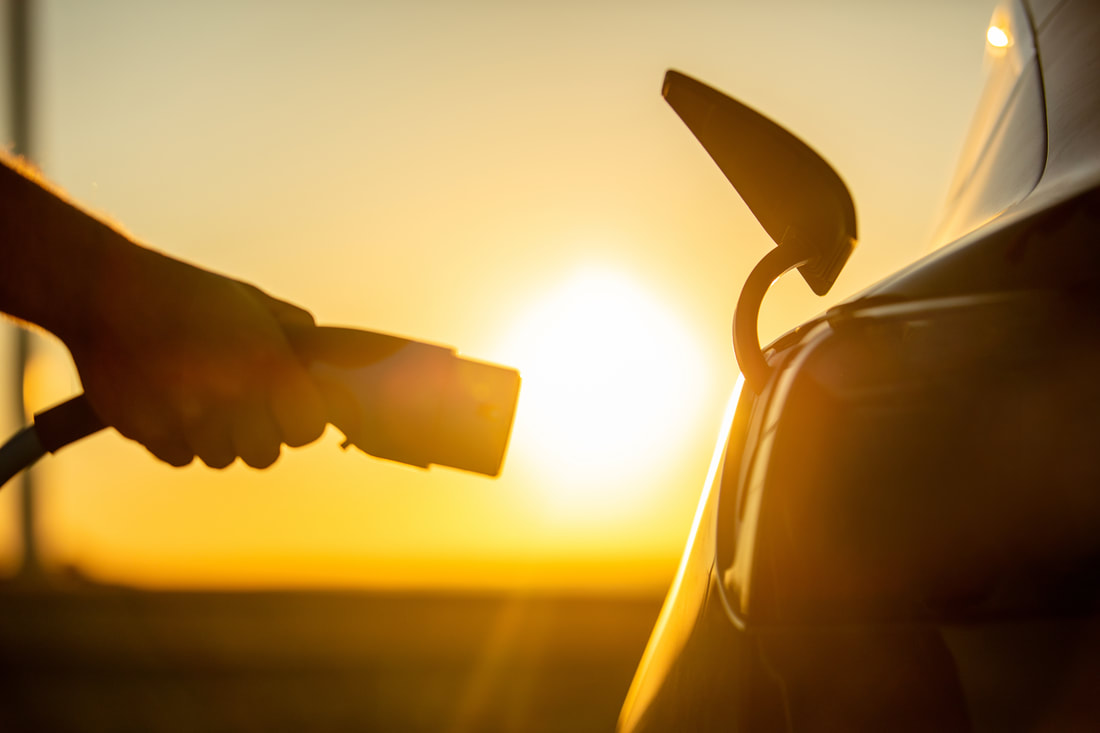
This blog will give you an overview of the key ways to charge to your EV, ranging from a standard 10-amp 240V wall socket to a state-of-the-art supercharger.
Picture
Before discussing the different types of chargers, we first need to take you back to high school physics and introduce the concept of alternating current (“AC”) and direct current (“DC”). Batteries store energy in DC, or direct current, whereas the Australian grid, and most household appliances, are AC, or alternating current.
​

Despite the car battery storing DC, EV’s can charge off of AC as they have an onboard invertor that turns the AC from the
grid into DC prior to charging the battery. However, when an EV is charged directly with DC, and not AC, then the onboard invertor is bypassed and the battery is charged directly. DC chargers charge EV’s far quicker than AC chargers but they are expensive and complex, and not available for home installation.

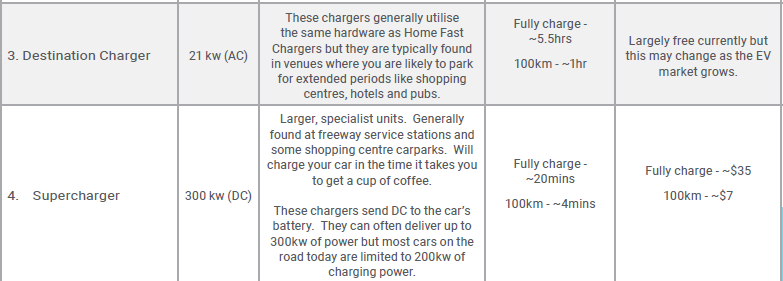
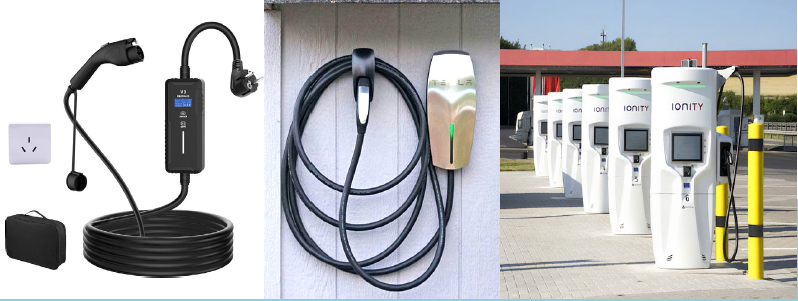
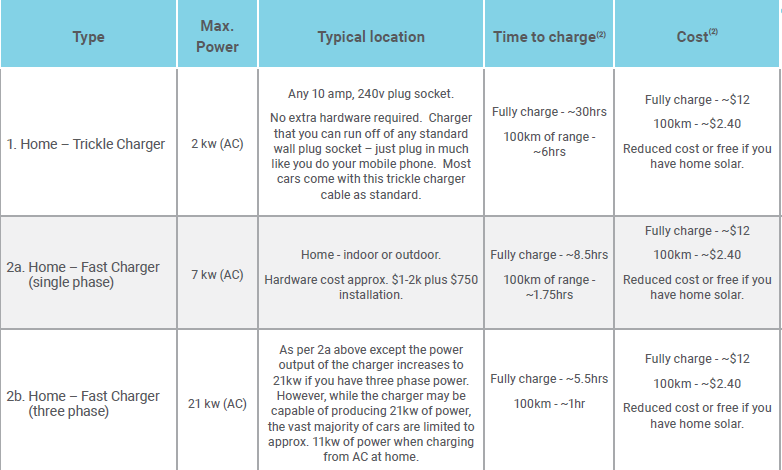
Types of chargers
Picture
Picture
Picture

Comments are closed.

    Author

    Write something about yourself. No need to be fancy, just an overview.

    Archives

    February 2025
    October 2024
    September 2024
    August 2024
    July 2024
    June 2024
    May 2024
    April 2024
    March 2024
    February 2024
    January 2024

    Categories

    All

    RSS Feed


Picture
Your journey to a cost efficient and sustainable future

Quick Links

  • Home​
  • Contact Us
  • Useful links
  • Events

​JOIN OUR MAILING LIST


This website is provided for informational purposes only.  It does not constitute advice as to whether you should proceed with installing solar, batteries or other electric items.  You should perform your own due diligence prior to committing to the installation of any new equipment, and seek the opinions of appropriately qualified experts.  The data presented on this website is based on a number of assumptions. If different assumptions were used then the data presented and conclusions reached may differ materially. 
​© My Energy Guide | Privacy policy |  Website terms of use